
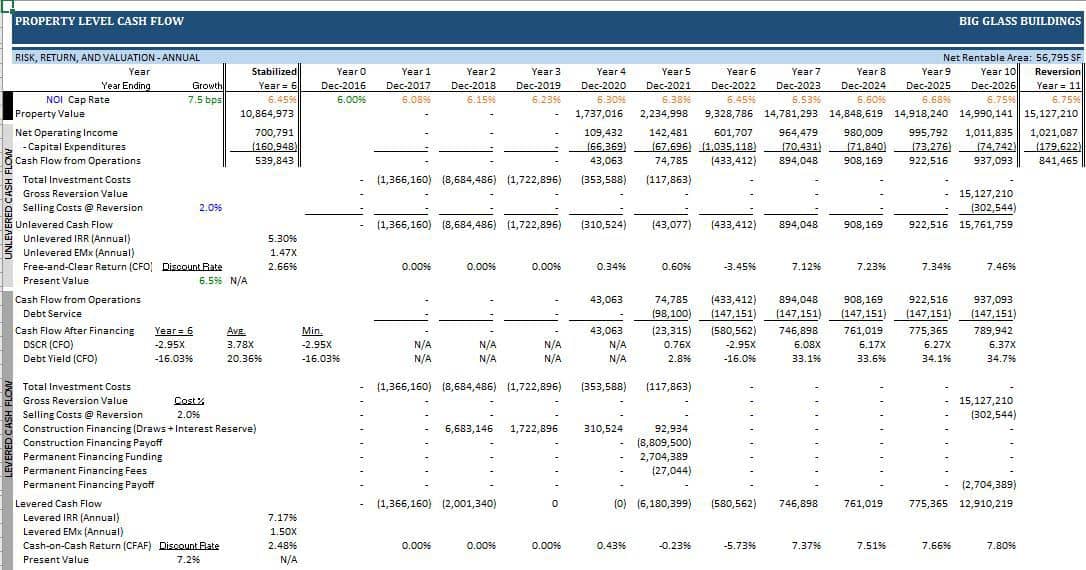
Most limited partners review a deal’s IRR, cash-on-cash return, and equity multiple before committing capital. Those metrics matter — but they don’t tell the full story.
What often goes unreviewed is how taxes affect actual cash kept, timing of benefits, and risk of surprises after closing. That gap is where many LP disappointments begin.
Before wiring funds, LPs should ask for a simple, one-page after-tax checklist that answers the following questions clearly and neutrally:
1. How much depreciation is projected by year (not just total)?
Front-loaded depreciation can materially affect early cash flow, but only if timing is understood.
2. Are bonus depreciation assumptions included — and at what percentage?
Bonus rules change. Assumptions should be stated explicitly, not implied.
3. What ownership structure is assumed?
Single-entity and two-entity structures can produce very different tax outcomes.
4. What does after-tax cash flow look like — not just distributions?
Pre-tax distributions are not what investors keep.
5. When will K-1s reflect the economics of the deal?
Timing mismatches often explain “unexpected” tax bills.
6. Is a Form 3115 look-back possible for previously owned property?
Missed depreciation may still be recoverable — or not.
7. What happens to taxes if the deal exits earlier than planned?
Exit timing matters as much as entry assumptions.
This checklist doesn’t approve or reject a deal. It simply gives LPs the information they need to verify assumptions with their CPA before capital is committed.
Clarity reduces surprises. Surprises destroy trust.


