
Hotels, Healthcare, and Multi-Housing
One of the most overlooked decisions in real estate development isn’t design or finishes — it’s how easily a building can change over time.
Reusable non-load-bearing (NLB) wall systems are increasingly used in hotels, healthcare facilities, and multi-housing projects because they allow interiors to be reconfigured without structural demolition. The real advantage isn’t cosmetic — it’s flexibility, capital preservation, and long-term control over renovation costs.
Why Reusable NLB Walls Matter
Traditional interior walls are built once and demolished later. Reusable NLB walls reverse that lifecycle.
They allow developers and owners to:
-
Reconfigure space without touching structural elements
-
Renovate faster with less disruption
-
Reduce demolition waste and rebuild costs
-
Plan for future layout changes with less capital risk
In asset classes where change is inevitable, this flexibility compounds.
Hotels: Renovate Without Killing Revenue


Hotels undergo frequent repositioning:
-
Brand refresh cycles every 5–7 years
-
Room size and mix adjustments
-
Conversions between standard rooms, suites, and extended-stay layouts
Reusable NLB walls allow:
-
Faster renovations with fewer rooms offline
-
Cleaner projects with less noise and dust
-
Layout changes without heavy demolition
For hotel developers, this translates to shorter downtime and more predictable capital planning.
Healthcare: Adaptability Without Structural Risk

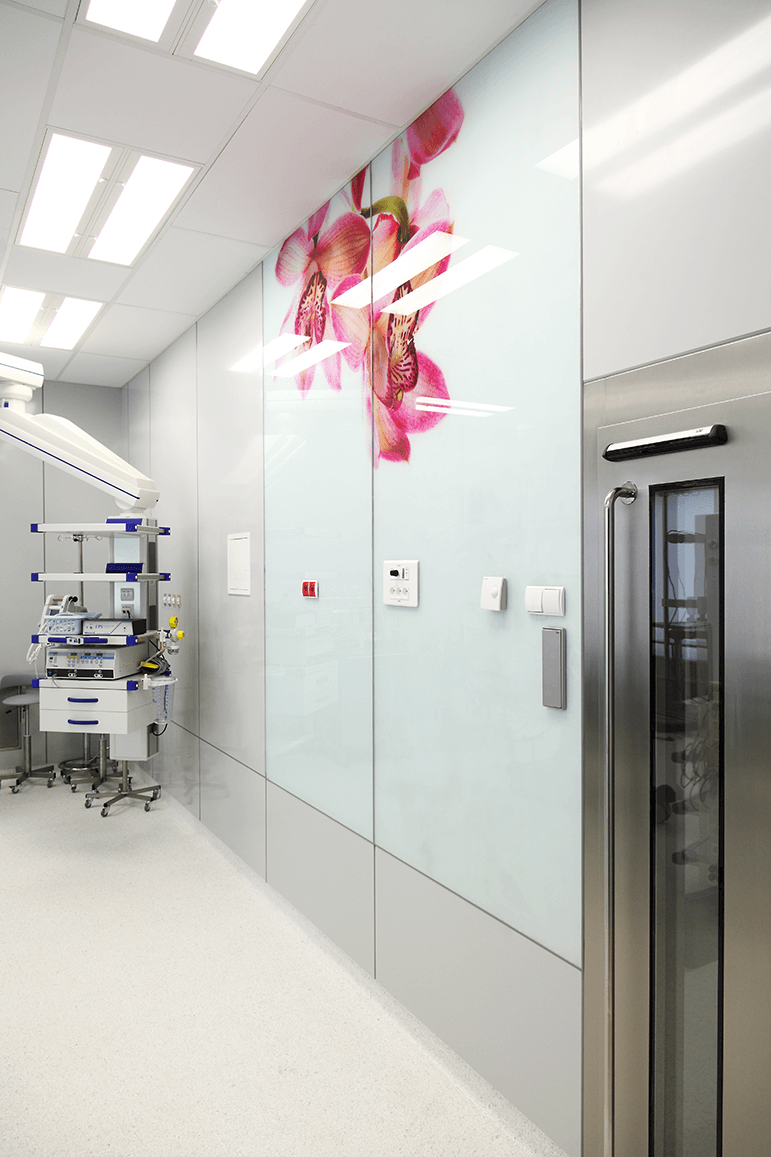
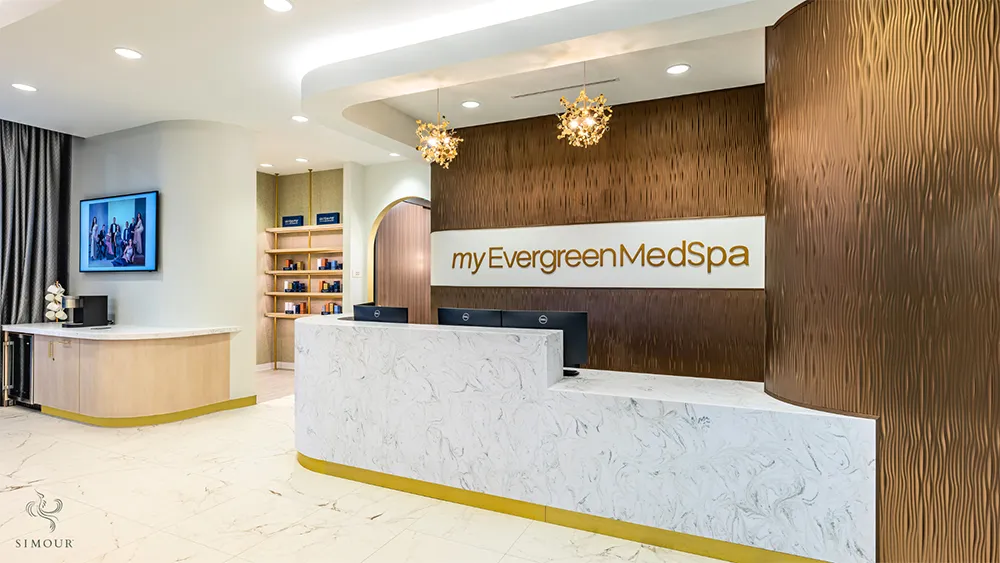
Healthcare environments constantly evolve:
-
Equipment footprints change
-
Departments expand or contract
-
Care delivery models shift
Reusable NLB walls support:
-
Reconfiguration without impacting structure or life-safety systems
-
Phased renovations instead of full shutdowns
-
Reduced disruption in occupied facilities
This protects both operations and long-term asset value.
Multi-Housing: Future-Proofing Unit Mix


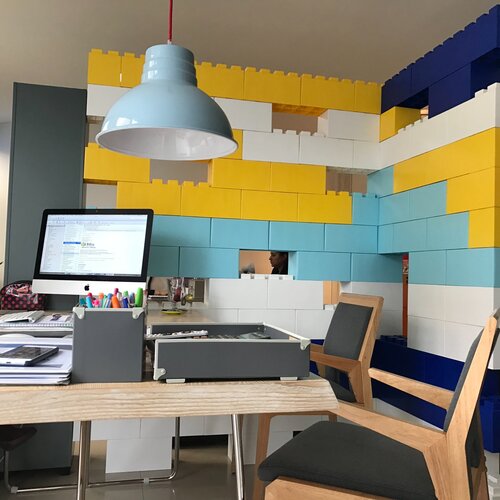
Housing demand changes over time:
-
Studio vs. one-bedroom preferences shift
-
Work-from-home alters layouts
-
Adaptive reuse becomes more common
Reusable NLB walls allow owners to:
-
Adjust unit configurations without gut renovations
-
Respond to market demand faster
-
Preserve materials and reduce turnover costs
The result is a building that stays competitive longer.
The Quiet Economic Advantage
Reusable wall systems don’t always lower initial construction costs. Their value shows up later:
-
Reduced demolition and rebuild expenses
-
Shorter renovation timelines
-
Less revenue interruption
-
Greater flexibility at refinance or sale
They don’t make projects flashier — they make them more resilient.
Final Thought
Good development isn’t about today’s layout.
It’s about how many future paths a building can take without destroying value.
Reusable non-load-bearing walls reward long-term thinking, disciplined planning, and adaptability.
SEO Title: Benefits of Reusable Non-Load-Bearing Walls in Hotel, Healthcare, and Multifamily Development
Meta Description: Reusable non-load-bearing walls help hotels, healthcare, and multifamily projects adapt faster, reduce renovation disruption, and preserve long-term value.


